How Do Children Build Emotional Strength? The Power of Early Counseling
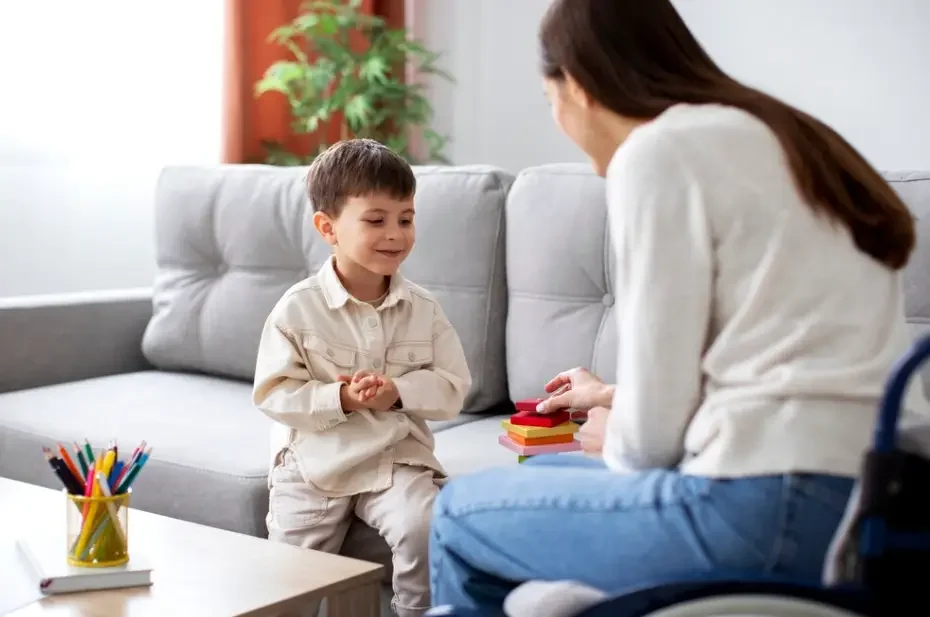
Just like adults, children can often feel strong emotions. They may not be able to communicate their feelings effectively. When these feelings are not understood or properly addressed, inappropriate behaviors can develop over time, which, in turn, can impact the child's self-esteem, among other things. With the aid of a child therapist, children are supported and are provided with the means to manage their emotions in a more pragmatic manner.
With time, its advances have been observed to enable families to understand the benefits of helping a child cope with emotions early, in improving social competence, communication, and health.
Understanding What Children Really Need
Children succeed when they are both seen and heard. Engaging a child's mental health specialist lets a family know what their child is going through—whether it is anxiety, anger, frustration, or disorientation.
Meanwhile, pediatric counseling services help meet a child's needs and meet their parents' expectations. Compassionate care gives children the space to be able to express themselves verbally, while families are given workable tools to assist their emotional growth in familial settings.
Why Early Support Shapes Lifelong Well-Being
When children are taught early about challenges in life, they tend to understand them better. Involving the services of a child therapist helps young ones to attain emotional insight way ahead before worrying ways harden to health behavior.
Key benefits of early counseling include:
Stronger self-regulation during stressful or confusing moments
Healthier expression of emotions, even when they feel intense
Improved confidence in social and academic settings
Through a child's mental health specialist's help, these skills will be incorporated into a child's routine tools, enabling their cognitive growth as well as self-assurance even in their growth years.
How Counseling Helps Kids Communicate Better
If children are unable to acknowledge how they feel, it is often expressed by isolation, bad temper, or a change in behavior. These are the types of issues that a child can be helped to resolve through these pediatric counseling services because such a child is taught how to understand, label, and express oneself.
Counseling helps children:
Express emotions through age-friendly methods
Develop confidence in speaking about difficult topics
Strengthen communication with parents and teachers
The child therapist applies these strategies in different settings, like the home, school, and social environment, in such a progressive way that the client is bound to improve.
Creating Safe Spaces for Emotional Growth

It is very difficult for a child to be expressive without a supportive environment. It is the responsibility and duty of a child mental health specialist to create an environment using various activities, such as play therapies and storytelling, to help children without intimidating them.
Whereas, with pediatric counseling services, there is a framework that forms a tailored space for the children to help them experience and manage certain emotions, find the triggers, and the strategies of self-control and self-regulation, as long as it takes to master all this.
Building Skills That Support Kids Long-Term
When counseling includes consistent practice, children begin to adopt skills that influence their development for years to come.
Children often learn:
Practical coping strategies for stress and frustration
Healthy problem-solving habits
Positive ways to handle change and uncertainty
Emotional independence rooted in confidence
Extending child therapy engagement alongside pediatric counseling services allows families to enforce the development of emotional competencies in children that often carry into their teenage and adult years.
Nurturing Resilience for a Brighter Future
All children deserve the tools needed to grow into self-confident, emotionally aware individuals. Passages LLC provides a compassionate approach to counseling aimed at supporting children and families through every developmental phase.